Editorial Platform — Informational content only. No services, no sales, no deliveries. Read full notice
Editor's Pick 2026

Wellness Plate Journal

Explore evidence-based insights, practical cooking techniques, and nutrition strategies to support your journey towards balanced, mindful eating.

Steaming vegetables to preserve nutrients
15 January 2025 Cooking Methods

Steaming: The Gentle Heat Method That Locks in Nutrition

Steaming is one of the most nutrient-preserving cooking techniques available, as it uses gentle heat and avoids direct contact with oils or prolonged water immersion. This method is particularly effective for vegetables, fish, and grains, allowing them to retain their natural vitamins, minerals, and vibrant colours.

Read more
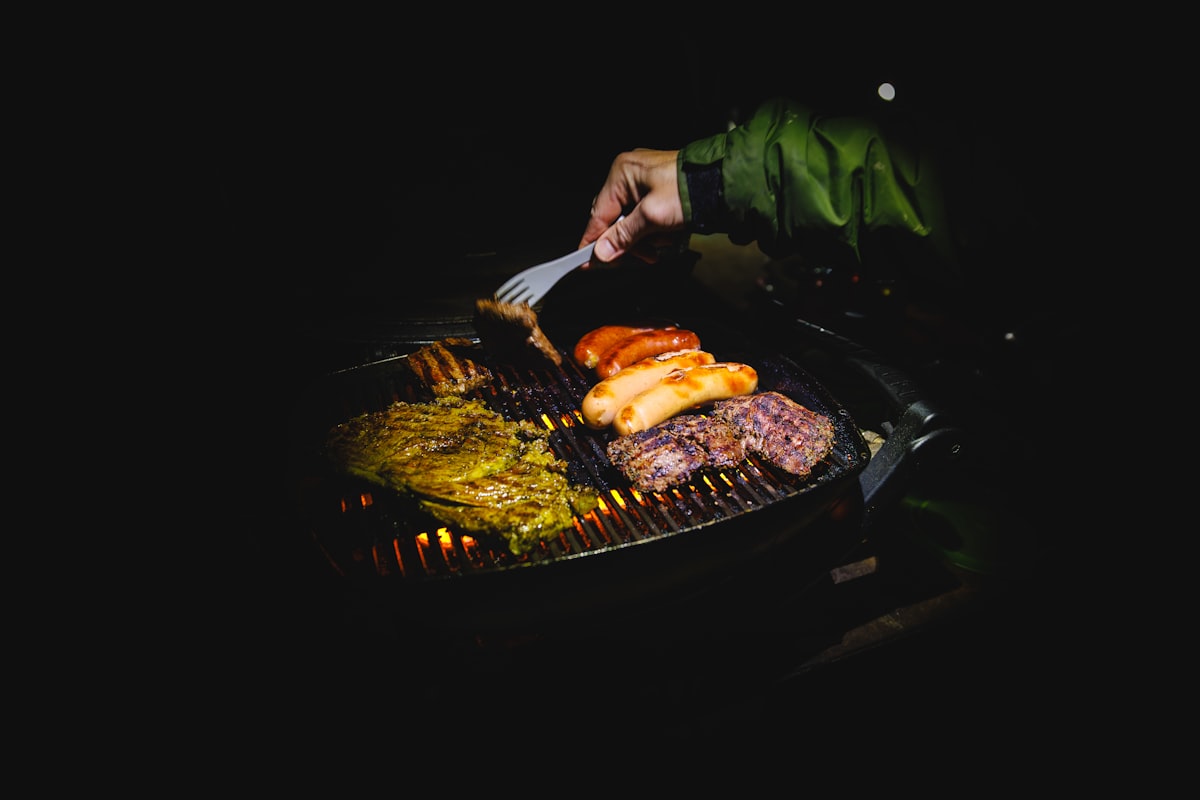
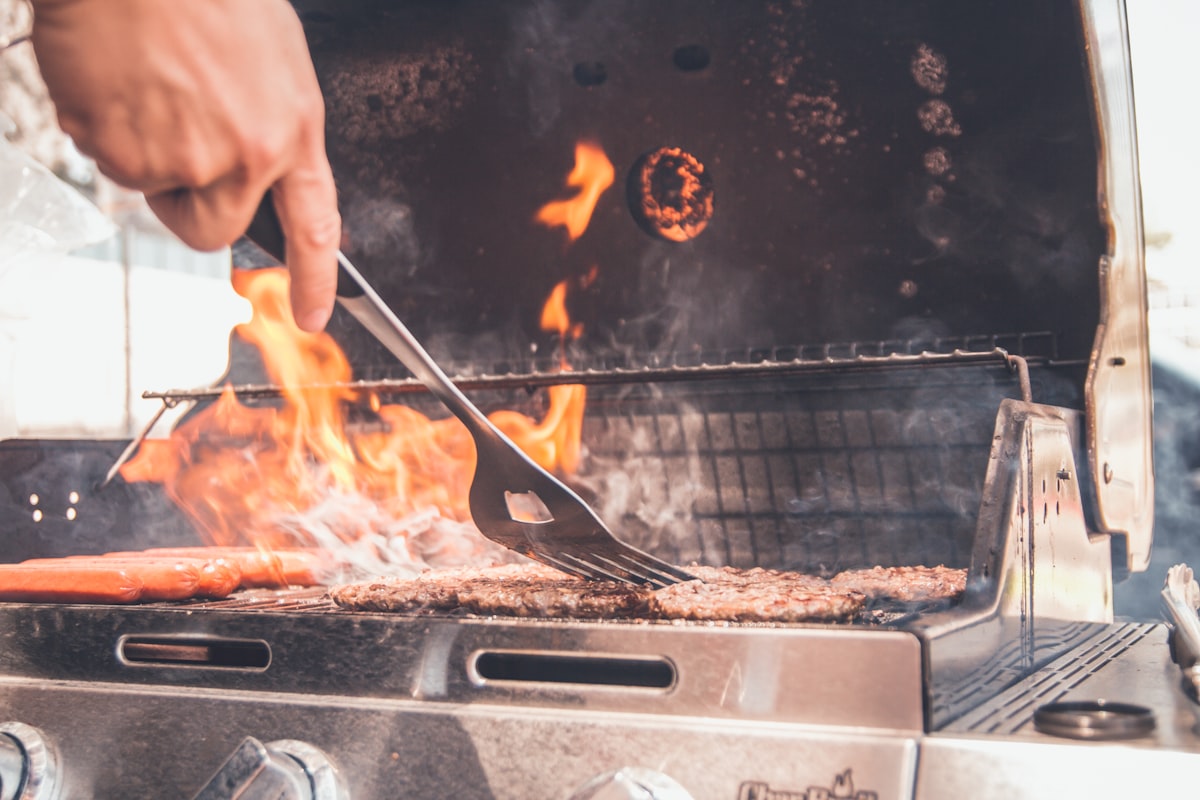
Grilling healthy proteins and vegetables
12 January 2025 Cooking Methods

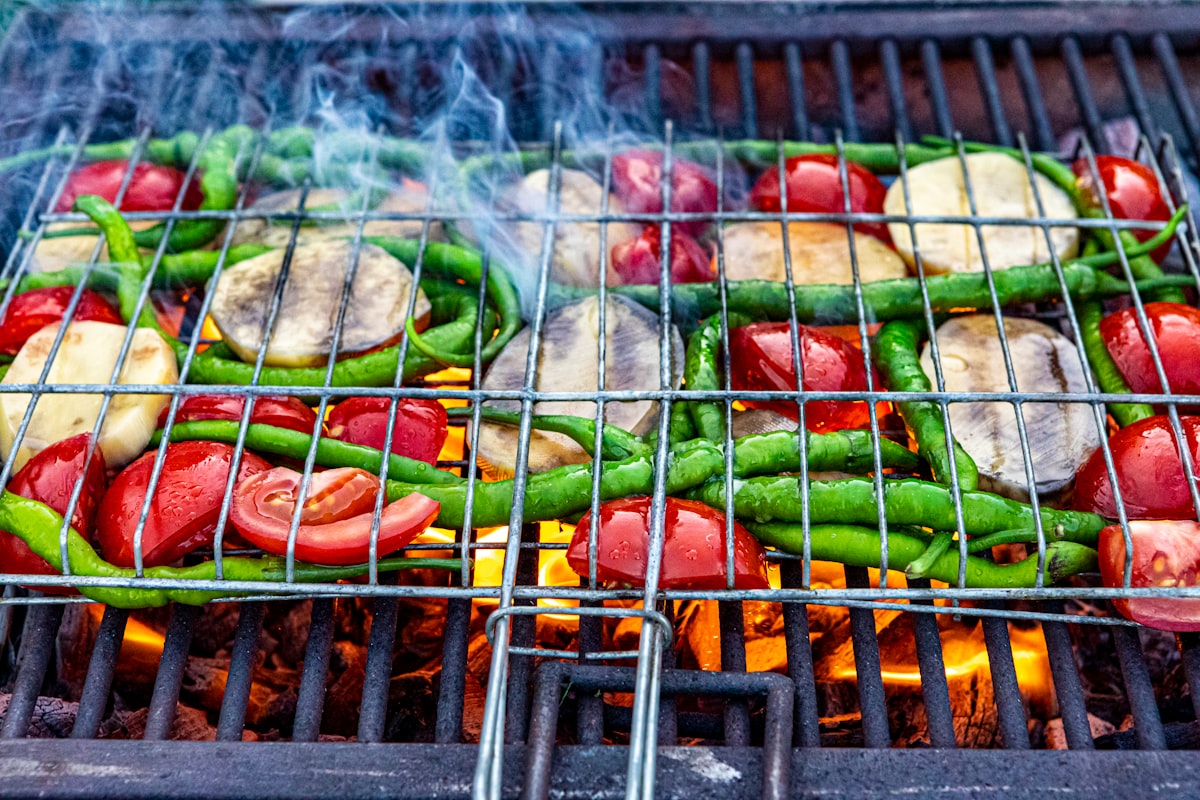
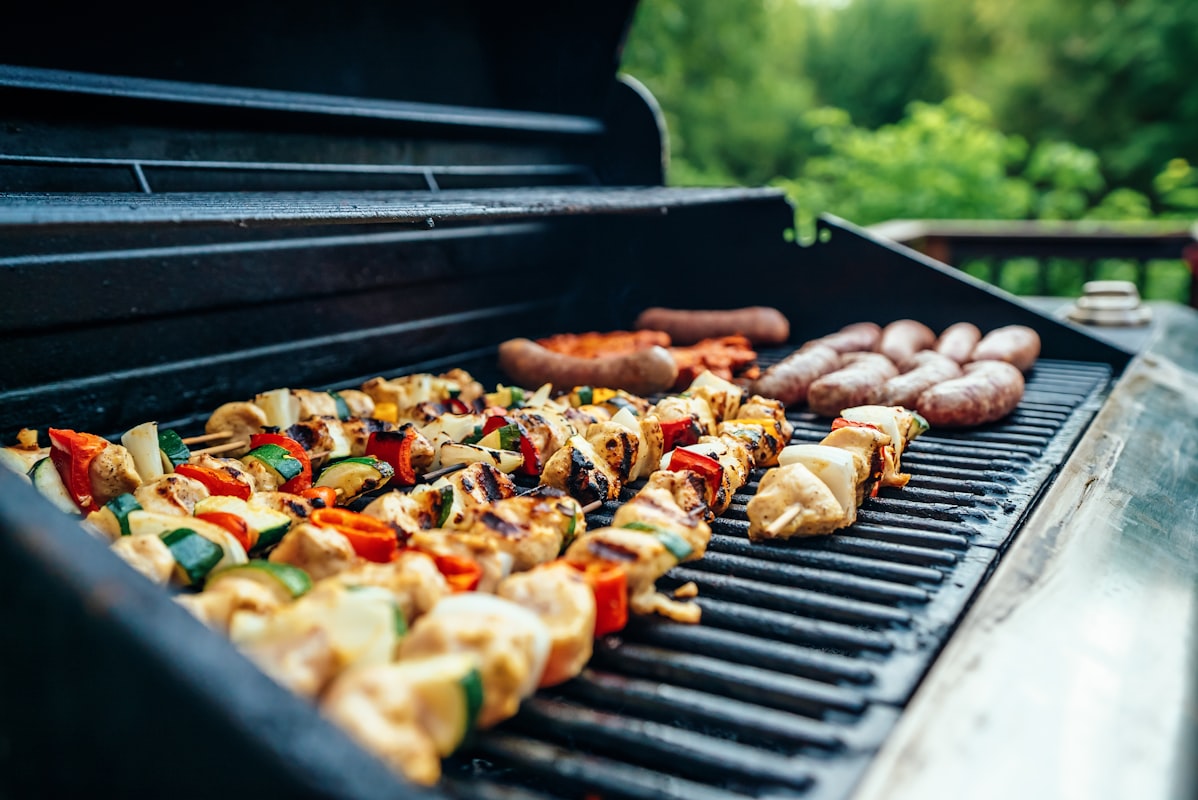
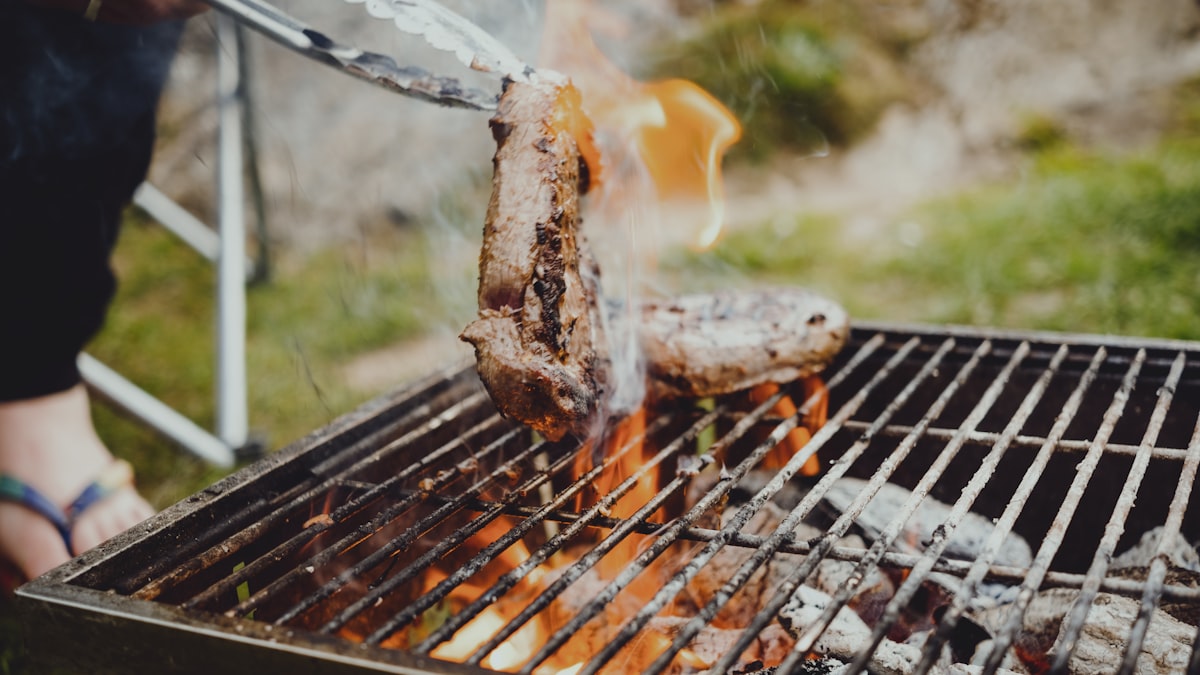
Grilling for Wellness: Creating Flavour Without Excess Oil

Grilling is a fantastic cooking method that imparts delicious smoky flavour while requiring minimal added fat. Whether you are preparing lean proteins, vegetables, or whole grains, grilling creates appealing charred surfaces and enhances natural tastes without relying on heavy sauces or excessive oil.

Read more
Fresh ingredients prepared for roasting
10 January 2025 Nutrition Tips

Roasting Vegetables: Bringing Out Natural Sweetness

Roasting vegetables at high temperatures caramelises their natural sugars, creating rich flavours and textures without added salt or sugar. This dry-heat cooking method concentrates nutrients and develops satisfying complexity, making it an excellent strategy for enjoying more vegetables as part of a balanced diet.

Read more
Poaching eggs in simmering water
8 January 2025 Cooking Methods

Poaching: Cooking Without Added Fat

Poaching involves gently simmering food in liquid such as water, broth, or wine, making it ideal for eggs, fish, and chicken. This oil-free cooking technique maintains moisture and delicate textures while keeping meals light and nutritious, perfect for those seeking to reduce their overall fat intake without sacrificing flavour.

Read more
Sautéed colourful vegetables in a pan
5 January 2025 Healthy Recipes

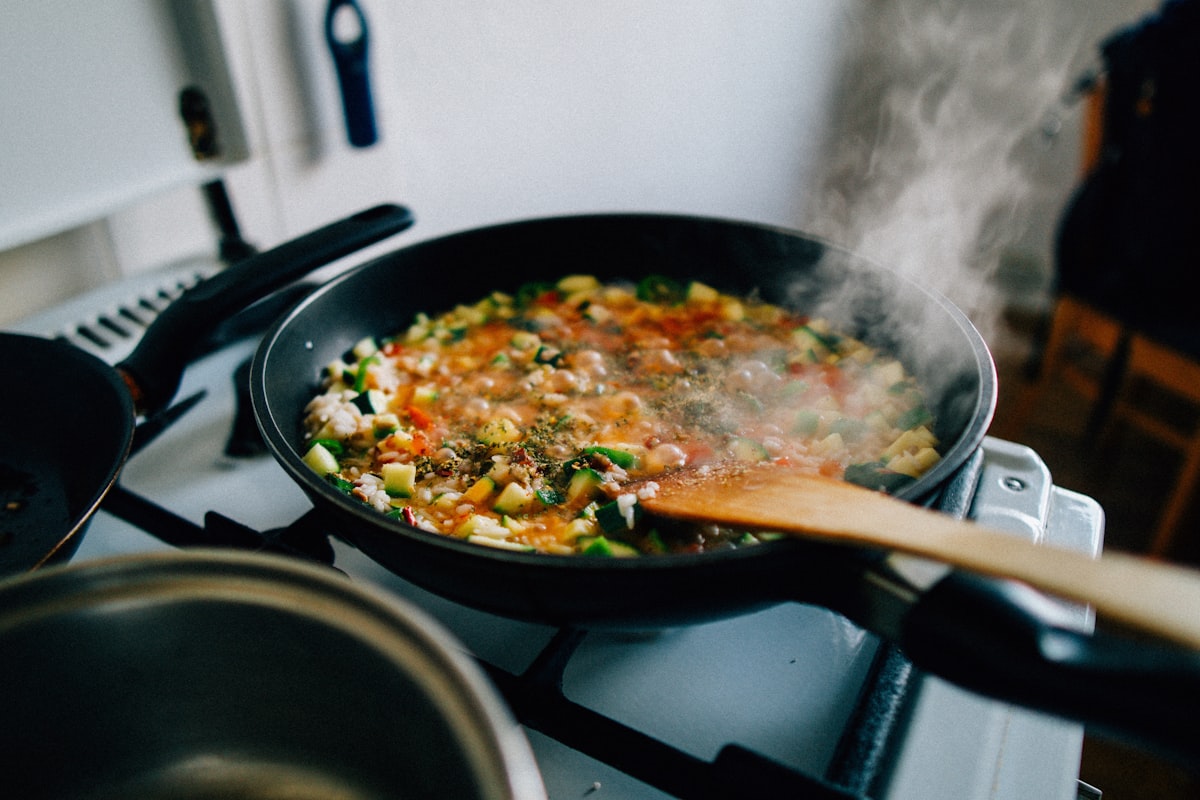
Sautéing with Intent: Choosing Healthier Cooking Oils

Sautéing is a quick and versatile cooking method, but selecting the right oil makes a significant difference to your overall nutrition. Understanding smoke points, heat stability, and nutritional profiles helps you make informed choices that support your wellness goals while maintaining the delicious results you enjoy.

Read more
Slow cooking in a ceramic pot
2 January 2025 Wellness Lifestyle

Slow Cooking: Patience Pays in Flavour and Nutrition

Slow cooking uses prolonged, gentle heat to develop deep flavours and tender textures while breaking down complex carbohydrates and proteins for improved digestion. This method allows you to prepare nutrient-dense meals with minimal active time, making wholesome cooking accessible even during busy weeks.

Read more

Explore More Wellness Content

Cooking Methods Guide

Discover detailed guides to seven essential cooking methods, each with practical tips, nutritional benefits, and advice on when to use each technique for optimal results.

Explore Guide

Healthy Recipe Collection

Browse our curated selection of recipes developed using the cooking methods featured in our articles, each designed to support your wellness goals and taste preferences.
View Recipes

Frequently Asked Questions

Find answers to common questions about cooking methods, nutrition, and implementing healthier eating habits into your daily life.

Which cooking method retains the most nutrients?

Steaming and pressure cooking are among the best methods for nutrient retention, as they minimise exposure to oxygen and water loss. Roasting and baking at moderate temperatures also preserve nutrients well. In contrast, boiling can leach water-soluble vitamins, though the cooking liquid can be retained in soups and broths.

Is grilling a healthy cooking method?

Yes, grilling is considered healthy as it requires minimal added fat and allows excess oils to drip away from food. However, avoid charring food excessively, as this can create unwanted compounds. Marinating foods before grilling and using moderate temperatures helps preserve nutritional value while developing delicious flavours.

Can I make tasty meals without using oil?

Absolutely. Steaming, poaching, baking, and grilling all produce delicious results with little or no added oil. You can also use broths, wines, citrus juices, and aromatic herbs to add flavour without relying on fat. Experimenting with these methods helps you discover new favourite dishes that align with your wellness goals.

What is the difference between baking and roasting?

Baking and roasting both use dry heat in an oven, but roasting typically involves higher temperatures and is often used for vegetables and proteins, whilst baking is commonly used for grains and prepared dishes. Both methods concentrate flavours and create appealing textures without excessive liquid or fat.

How does slow cooking affect the nutritional content of food?

Slow cooking at low temperatures for extended periods helps break down tough fibres and makes certain nutrients more bioavailable. Whilst some heat-sensitive vitamins may be reduced, the overall nutritional profile of slowly cooked meals remains excellent, and the extended cooking time can improve digestibility and mineral absorption.

Which oils are best for different cooking methods?

Choose oils with appropriate smoke points: olive oil for low-heat sautéing and salads; avocado oil and refined coconut oil for medium-to-high heat; and ghee or grapeseed oil for high-heat applications. Understanding these properties helps you select oils that remain stable and nutritious whilst delivering the flavours you enjoy.

Have more questions about healthy cooking and nutrition?

View Full FAQ

Start Your Wellness Journey Today

Explore our comprehensive guides, recipes, and articles to discover practical ways to implement healthier cooking methods into your everyday life.

This site provides educational content only. We do NOT offer medical consultations, sale of products, deliveries, or refund policies. For medical advice, consult a licensed professional.