
Master Healthy Cooking Methods
Explore evidence-based cooking techniques that preserve nutrients, enhance flavour, and support your wellness journey
Why Cooking Method Matters
The way you prepare food directly impacts the nutritional value of your meals. Some methods preserve heat-sensitive vitamins and minerals, while others enhance bioavailability of nutrients. Learning diverse cooking techniques empowers you to maximise wellness benefits from every ingredient.
Nutrient Retention
Gentle cooking methods preserve water-soluble vitamins and delicate phytonutrients
Enhanced Flavour
Proper techniques unlock natural flavours without relying on added salt or oils
Digestibility
Strategic cooking breaks down compounds that improve nutrient absorption

Core Cooking Methods Explained
Steaming
Cooking food above boiling water preserves nutrients better than boiling. This gentle method works beautifully for vegetables, fish, and dumplings whilst maintaining vibrant colours and crisp textures.
- Retains 90% of vitamins
- No added oils needed
- Best for: leafy greens, broccoli, fish
Grilling & Roasting
High-heat dry cooking caramelises natural sugars and creates complex flavours through the Maillard reaction. Roasting brings out sweetness in vegetables whilst grilling adds smoky depth to proteins.
- Minimal oil required
- Enhances nutrient absorption
- Best for: root vegetables, lean meats, peppers
Simmering & Poaching
Gentle boiling in liquid keeps foods tender whilst allowing flavours to infuse. Poaching in broth or aromatic water adds depth without excess fat. Ideal for creating nutrient-rich broths and stews.
- Creates nutrient-dense broths
- Improves collagen extraction
- Best for: legumes, chicken, whole grains
Stir-Frying
Quick cooking over high heat with minimal oil preserves crispness and nutrients. The rapid movement prevents sticking whilst creating a light char on vegetables. Use heart-healthy oils with high smoke points.
- Cooks vegetables in minutes
- Maintains vibrant colours
- Best for: mixed vegetables, prawns, tofu
Raw & Fresh Preparation
Consuming raw vegetables and fruits preserves heat-sensitive enzymes and certain vitamins. This method is ideal for salads, smoothies, and fresh juices. Combine raw foods with healthy fats for optimal nutrient absorption.
- Maximum enzyme content
- Preserves vitamin C
- Best for: leafy greens, berries, carrots
Slow Cooking & Fermentation
Low-temperature cooking for extended periods breaks down tough fibres and allows flavours to develop deeply. Fermentation creates beneficial microorganisms that support digestive wellness whilst preserving vegetables naturally.
- Creates probiotics via fermentation
- Maximum mineral extraction
- Best for: broths, stews, fermented vegetables
Building Your Cooking Skills: 5-Step Guide
Understand Your Ingredients
Start by learning which nutrients are sensitive to heat. Vitamin C degrades easily, whilst lycopene in tomatoes becomes more bioavailable when heated. Understanding your ingredients helps you choose methods that preserve what matters most. Consider texture preferences and the eating experience you want to create.
Master Temperature Control
Learn to identify medium, medium-high, and high heat. Invest in a kitchen thermometer to ensure accuracy. Gentle cooking preserves delicate nutrients, whilst higher temperatures unlock others. Building confidence with temperature helps prevent overcooking and maintains nutritional integrity across all your meals.
Practice Seasonal Cooking
Seasonal produce is fresher and more nutrient-dense. Adapt your cooking methods to what's available: steam spring vegetables, roast summer fruits, simmer autumn squashes, and braise winter greens. This approach connects you with natural rhythms whilst maximising nutritional value and flavour.
Minimise Oil & Salt Wisely
Choose high-quality oils with appropriate smoke points: olive oil for low-heat, coconut oil for medium, and avocado oil for high temperatures. Use salt intentionally to enhance natural flavours rather than mask them. Quality ingredients shine when prepared with restraint.
Experiment & Adapt
Try different methods with the same ingredient to discover your preferences. Notice how steamed broccoli differs from roasted broccoli. Keep simple notes on what works well for your body and palate. Building intuition through experimentation transforms cooking from a chore into a wellness practice you genuinely enjoy.
Key Benefits of Healthy Cooking Methods
Preserved Nutrients
Gentle cooking methods maintain vitamins, minerals, and phytonutrients that support your body's natural functions. Properly prepared meals deliver maximum nutritional value from every ingredient on your plate.
Enhanced Digestibility
Strategic cooking breaks down fibres and compounds, making nutrients more accessible to your digestive system. This means your body can absorb and utilise more of the wellness benefits from your food.
Improved Food Safety
Proper cooking temperatures eliminate harmful bacteria whilst preserving beneficial compounds. This balance supports wellness by reducing foodborne risks without unnecessary nutrient loss.
Natural Flavour Development
Skilled cooking unlocks intrinsic flavours without heavy salt or artificial seasonings. Food becomes genuinely delicious, making healthy eating an enjoyable experience rather than a sacrifice.
Sustainable Wellness
Learning diverse cooking methods creates flexibility and prevents food boredom. This variety supports long-term wellness habits by keeping meals interesting and enjoyable throughout your journey.
Control & Confidence
Mastering cooking methods gives you control over ingredients and preparation. This knowledge builds confidence and empowers you to make choices aligned with your wellness goals at every meal.
Visual Cooking Method Showcase

Steamed Vegetables
Preserves vibrant colours and delicate textures whilst maintaining nutritional integrity

Roasted Root Vegetables
Caramelisation brings out natural sweetness and creates satisfying textures
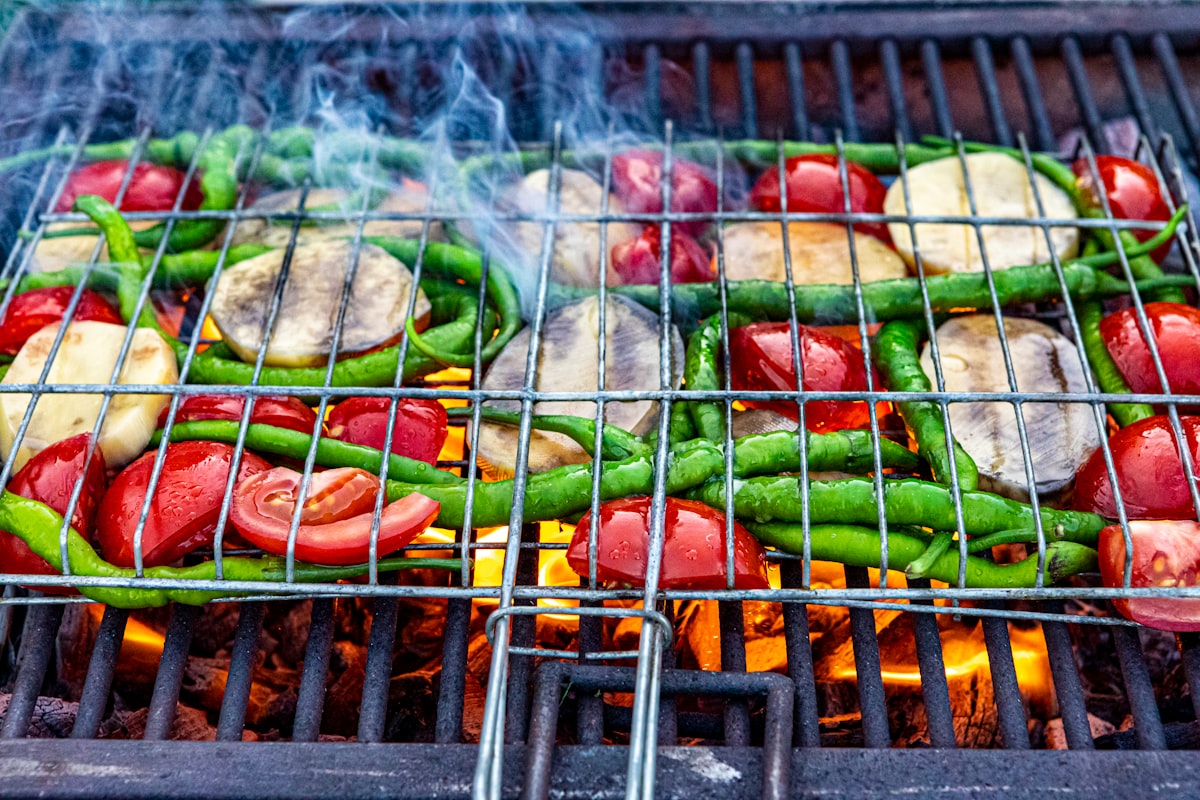
Slow-Simmered Broth
Extracts minerals and collagen whilst creating deeply nourishing foundations for meals

Quick Stir-Fry
High-heat cooking preserves crispness and nutrients whilst creating satisfying meals in minutes
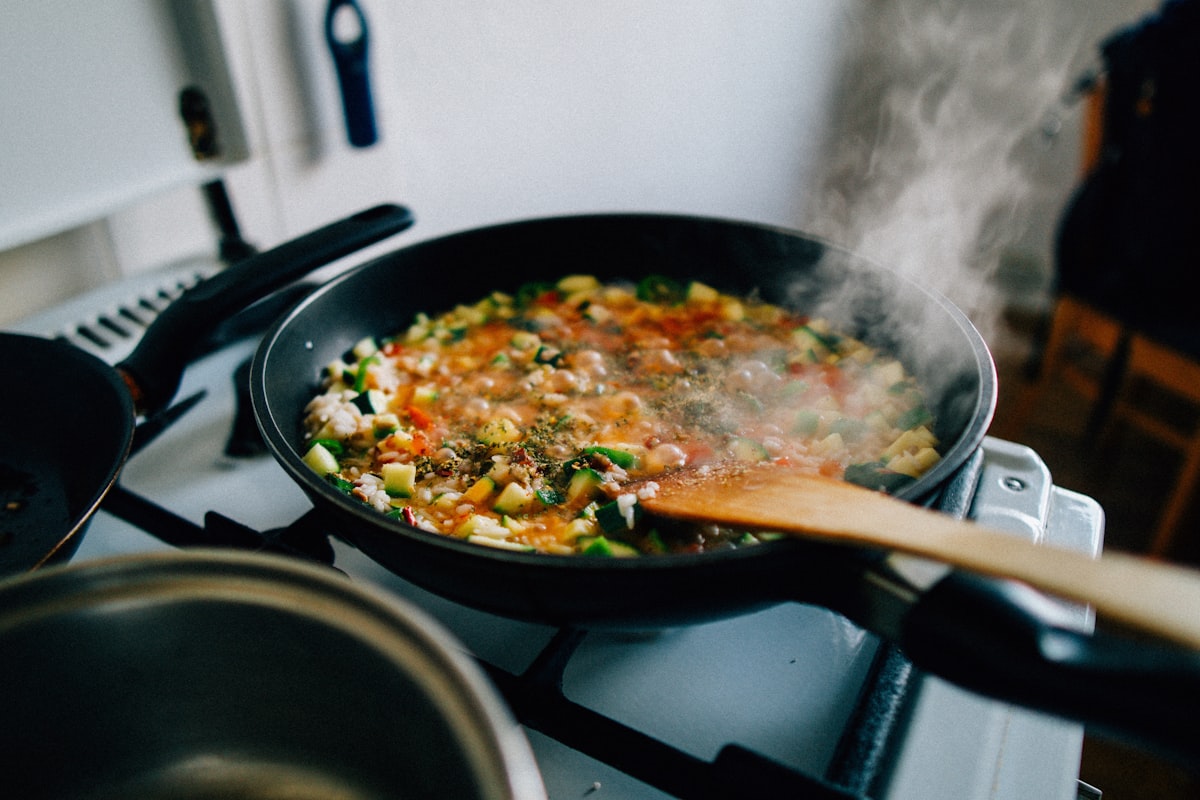
Fresh Raw Preparations
Maximum enzyme content and heat-sensitive vitamins support optimal nutrient absorption
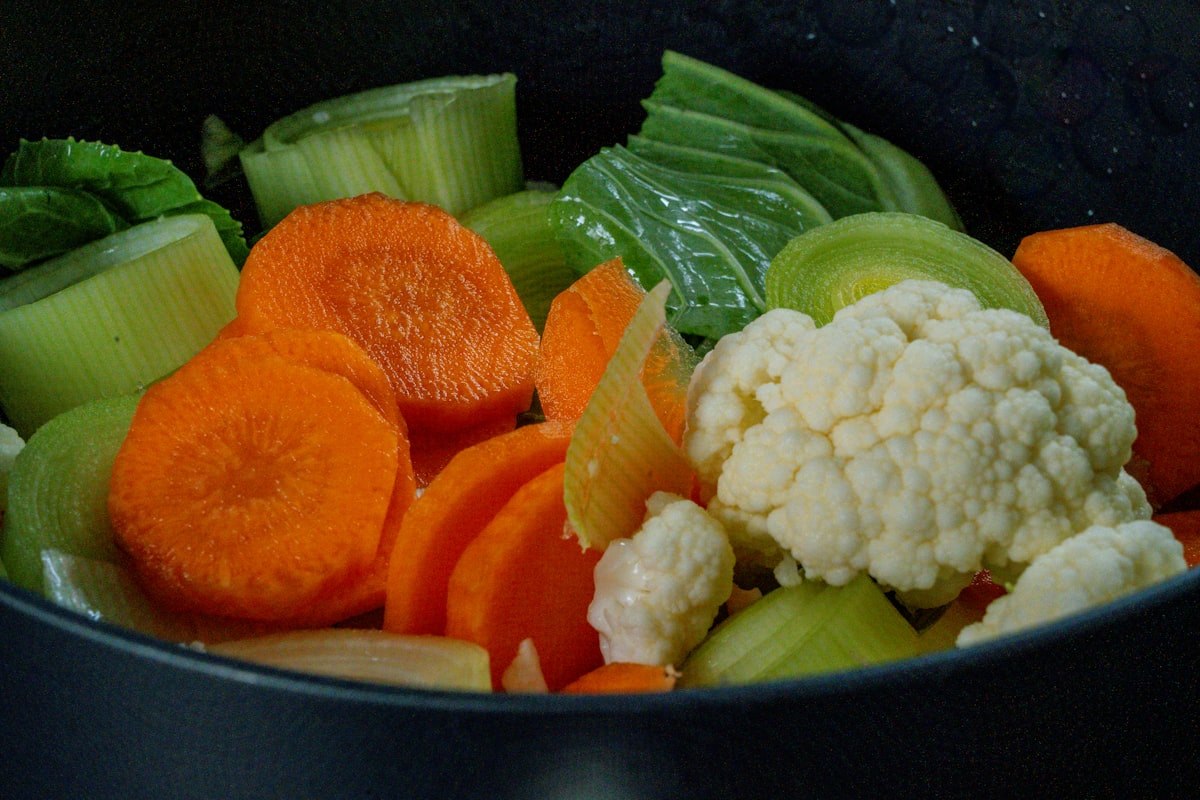
Fermented Vegetables
Natural fermentation creates beneficial microorganisms that support digestive wellness
Comparing Cooking Methods: What Works Best
| Cooking Method | Nutrient Retention | Cooking Time | Best For | Flavour Profile |
|---|---|---|---|---|
| Steaming | Excellent (90%+) | 5-15 minutes | Vegetables, Fish | Delicate, Natural |
| Roasting | Good (75-85%) | 20-40 minutes | Vegetables, Meat | Caramelised, Complex |
| Simmering | Good (70-80%) | 30 mins - 2 hours | Broths, Legumes | Rich, Infused |
| Stir-Frying | Excellent (85-95%) | 5-10 minutes | Mixed Vegetables | Quick, Vibrant |
What Our Community Says
Sarah Mitchell
Wellness Coach
"Wellnessplatejourney transformed how I approach cooking. The comprehensive guides and nutritional insights have made meal planning effortless and enjoyable."
James Rodriguez
Fitness Enthusiast
"The cooking techniques section is incredibly detailed. I've mastered healthy meal prep and my energy levels have never been better!"
Emma Chen
Nutritionist
"As a professional, I recommend Wellnessplatejourney to all my clients. The science-backed approach to nutrition is exactly what people need."
Frequently Asked Questions
How do I choose the best cooking method for my ingredients?
Consider your ingredient's nutritional goals and desired texture. The comparison table above shows how each method affects nutrient retention and cooking time. Match the method to your lifestyle and health objectives.
Can I adapt these techniques for dietary restrictions?
Absolutely! All cooking methods can be adapted for vegan, keto, gluten-free, and other dietary needs. The fundamentals of nutrition preservation remain consistent across dietary preferences.
What equipment do I need to get started?
You don't need expensive equipment. A quality skillet, pot, steamer basket, and blender are the essentials. As you progress, invest in tools that match your cooking preferences and goals.
How long does it take to see health improvements?
Most people notice increased energy within 2 weeks of consistent healthy cooking. Significant health improvements typically appear within 4-8 weeks. Consistency matters more than perfection.
Start Your Wellness Journey Today
Join thousands of people transforming their health through mindful cooking and nutrition. Learn proven techniques that nourish your body and delight your taste buds.
No credit card required. Join 50,000+ members.